Agriculture, food & fibre classroom lesson plans for primary & secondary.

Access free, curriculum-aligned educational resources to teach students about where their food and fibre comes from.

XL-farmertime-hp
S-Posters-hp
S-cotton-hp

SEARCH Primezone

Find a Food & Fibre Resource

Grade: 9 to

  12

Shifting Gears is an innovative intervention program and farm health and safety extension resource. Designed as a teacher-led, school-based program aims to cultivate a culture of farm safety among students, particularly those living on farms, studying agriculture and horticulture, or considering careers in these fields.

Grade: 7 to

  12

The card game supports cross-disciplinary learning and is highly relevant for State and Territory-specific Agriculture subjects from years 7 to 12.

Grade: 11 to

  12

Throughout this lesson, students will learn about the agribusiness sector and the essential services they provide to support farm operations and enhance productivity.

Grade: 9 to

  10

Students will utilise their existing knowledge of sustainable biomes to learn about the environmental, economic, and technological factors that impact agricultural productivity in Australia.

Grade: 7 to

  8

This lesson explores the role of agriculture in society, emphasising sustainable food and fibre production through STEM applications to address climate change and food security.

Grade: 7 to

  12

Teachers can access a series of engaging Nutrien career videos tailored to highlight real-world roles within the agricultural sector.

Grade: 7 to

  10

Developed with GRDC, these two educational resources support Year 7–10 students in exploring the impact of seeding depth and density on plant growth. Investigating Seed Variables guides students through a hands-on experiment over 8–10 weeks, where they test different seeding depths and analyse their effects on germination and yield. The Seed Planting Guide provides reference data on optimal planting conditions for a range of grain, oilseed, and pulse crops. Through scientific inquiry and real-world applications, students gain insights into sustainable farming practices and agricultural innovations, from traditional sowing methods to precision seeding technologies.

Grade: 7 to

  10

In collaboration with the Australian Meat Processor Corporation (AMPC), Primary Industries Education Foundation Australia (PIEFA) has developed a suite of Australian Curriculum aligned lesson plans for Year 7-10 classrooms. The Where might a career in red meat processing take you? two-lesson unit introduces students in Year 7–10 to the vast and diverse career opportunities in Australia’s red meat processing industry. Through interactive activities, case studies, and research, students gain insight into roles that drive innovation, sustainability, and efficiency in one of Australia’s largest industries.

Grade: 7 to

  8

In collaboration with the Australian Meat Processor Corporation (AMPC), Primary Industries Education Foundation Australia (PIEFA) has developed a suite of Australian Curriculum aligned lesson plans for Year 5-10 classrooms. The three-lesson Meat matters unit for Year 7–8 students explores sustainability, innovation, and stakeholder roles in Australia’s red meat processing industry. Through real-world case studies, hands-on design tasks and engaging collaborative work, students consider how designed solutions can be used to address real-world challenges in the industry.

Grade: 5 to

  6

In collaboration with the Australian Meat Processor Corporation (AMPC), Primary Industries Education Foundation Australia (PIEFA) has developed a suite of Australian Curriculum aligned lesson plans for Year 5-10 classrooms. The From Paddock to Plate three-lesson unit for Year 5-6 classrooms introduces students to the red meat processing supply chain, the role of technology and innovation, and the importance of packaging and labelling. Through engaging activities and real-world examples, students develop an understanding of red meat production, sustainability, and the significance of packaging and labelling for food safety.

Grade: 9 to

  10

In collaboration with the Australian Meat Processor Corporation (AMPC), Primary Industries Education Foundation Australia (PIEFA) has developed a suite of Australian Curriculum aligned lesson plans for Year 5-10 classrooms. The Australian Meat Processing three-lesson unit for Year 9–10 classrooms explores the Australian red meat processing industry through real-world examples, focusing on the supply chain, food safety, and sustainability. Students engage in hands-on activities, systems thinking, and case studies to deepen their understanding of the technologies and innovations that enhance efficiency, safety, and sustainability within the industry.

Grade: 7 to

  10

In collaboration with the Australian Meat Processor Corporation (AMPC), Primary Industries Education Foundation Australia (PIEFA) has developed a suite of Australian Curriculum aligned lesson plans for Year 5-10 classrooms. The Data processing and analysis in the Australian meat processing industry resource introduces Year 7–10 students to the importance of data processing and analysis in improving sustainability within Australia’s red meat processing industry. Students engage in activities that build skills in data interpretation, representation, and analysis, exploring real-world examples of energy, water, and carbon efficiency benchmarking.

Grade: 0 to

  12

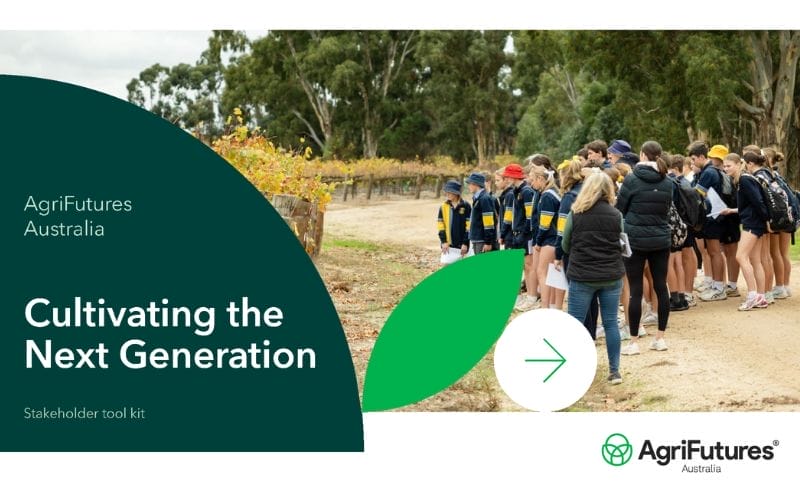
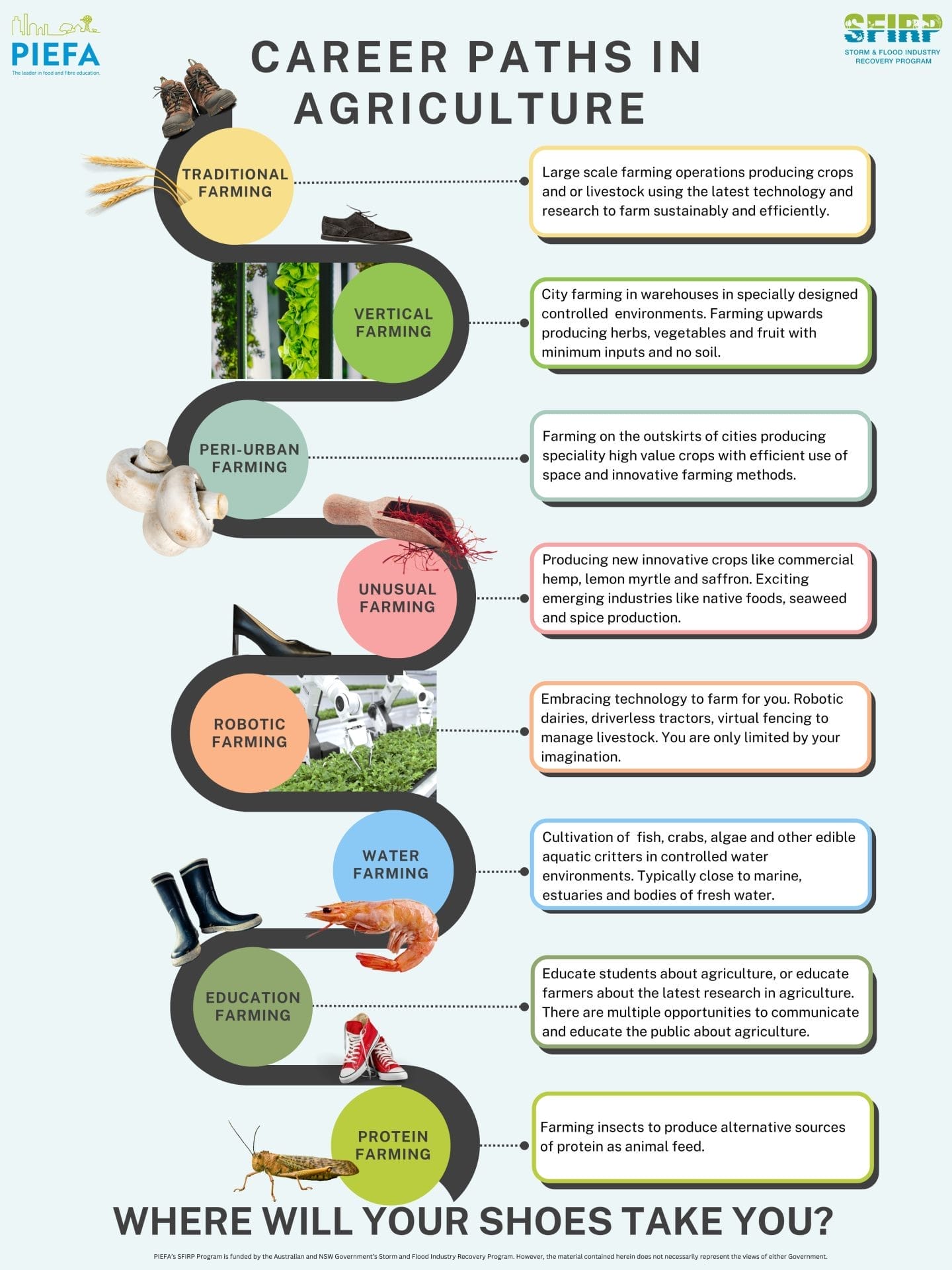
Primary Industries Education Foundation Australia (PIEFA), in collaboration with AgriFutures Australia, has developed the Food and Fibre Careers Digital Learning Kit to provide Australian educators with a collection of practical resources that can be used in the classroom to showcase the diverse career opportunities and pathways in Australia’s agriculture sector and promote them in such a way that students will be inspired to pursue careers in agriculture.

Grade: 5 to

  8

Sugarcane, One Plant Many Products looks at how cane farmers produce more than just sugar. From cattle feed to garden mulch, sugarcane has many uses throughout our community.

Grade: 7 to

  10

This three-lesson series introduces students in Year 7 to Year 10 classrooms. This three-lesson series introduces students to cotton as a sustainable natural fibre, examining the abiotic and biotic factors that influence cotton production, sustainability and the data-driven decisions growers make in the Australian cotton industry.

Grade: 0 to

  6

This three-lesson series introduces students in Foundation to Year 6 to Australian cotton production, sustainability, and plant growth. Through a variety of activities, students explore where cotton is grown in Australia, why these regions are suitable, and the life cycle of a cotton plant.

Grade: 5 to

  6

By participating in an engaging, hands-on card game, students will learn to sequence the supply chain of Australian red meat products from farm to consumer. Additionally, they will gain an understanding of technologies and careers involved in the processing supply chain.

Grade: 7 to

  10

By participating in an engaging, hands-on card game, students will learn to sequence the supply chain of Australian red meat products from farm to consumer. Additionally, they will gain an understanding of technologies and careers involved in the processing supply chain.

Grade: 7 to

  10

In collaboration with Hort Innovation, Primary Industries Education Foundation Australia (PIEFA) has developed the Data-driven Horticulture resource for Year 7–10 classrooms. This two-lesson unit focuses on the significance of data in Australia’s horticulture industry, including data collection methods and the applications of data to inform decision-making along the supply chain. Students have the opportunity to collect, manipulate and analyse real-world production and climate data, analyse climate trends, and propose innovative solutions to support Australian horticulture producers in adapting to climate challenges.

Grade: 7 to

  10

Students have the opportunity to collect, manipulate and analyse real-world production and climate data, analyse climate trends, and propose innovative solutions to support Australian horticulture producers in adapting to climate challenges.

Who we are

PIEFA…THE LEADER IN FOOD AND FIBRE EDUCATION

We engage Australian schools and the community through education about food and fibre production and careers.
 
The Primary Industries Education Foundation Australia’s (PIEFA) vision is to embed the value of Australian food and fibre production in the national psyche. We aim to achieve this with a range of classroom activities and resources, eLearning courses, Virtual Classroom sessions and agriculture career pathways information. Through meaningful collaboration with research and development corporations, the government and education sectors, PIEFA’s content is current, industry-specific and aligned with the curriculum.

Find your Food and Fibre Lesson Plans on Primezone!